Building a Defensible Foundation: Intake, Documentation & Data Integrity
If it is not documented, it did not happen. Corrections leaders pull the curtain back on what intake liability actually looks like and what it costs when the record does not hold up.
Insights for safer, smarter operations.

.png)







Webinar registration

Building a Defensible Foundation: Intake, Documentation & Data Integrity
If it is not documented, it did not happen. Corrections leaders pull the curtain back on what intake liability actually looks like and what it costs when the record does not hold up.
Webinar

Sheriff (Ret.) John Boyd, Law Enforcement Liaison, Coreforce

Josh Tewalt, Former Director, The Idaho Department of Corrections

Cameron Bridges, Senior Sales Engineer, Coreforce
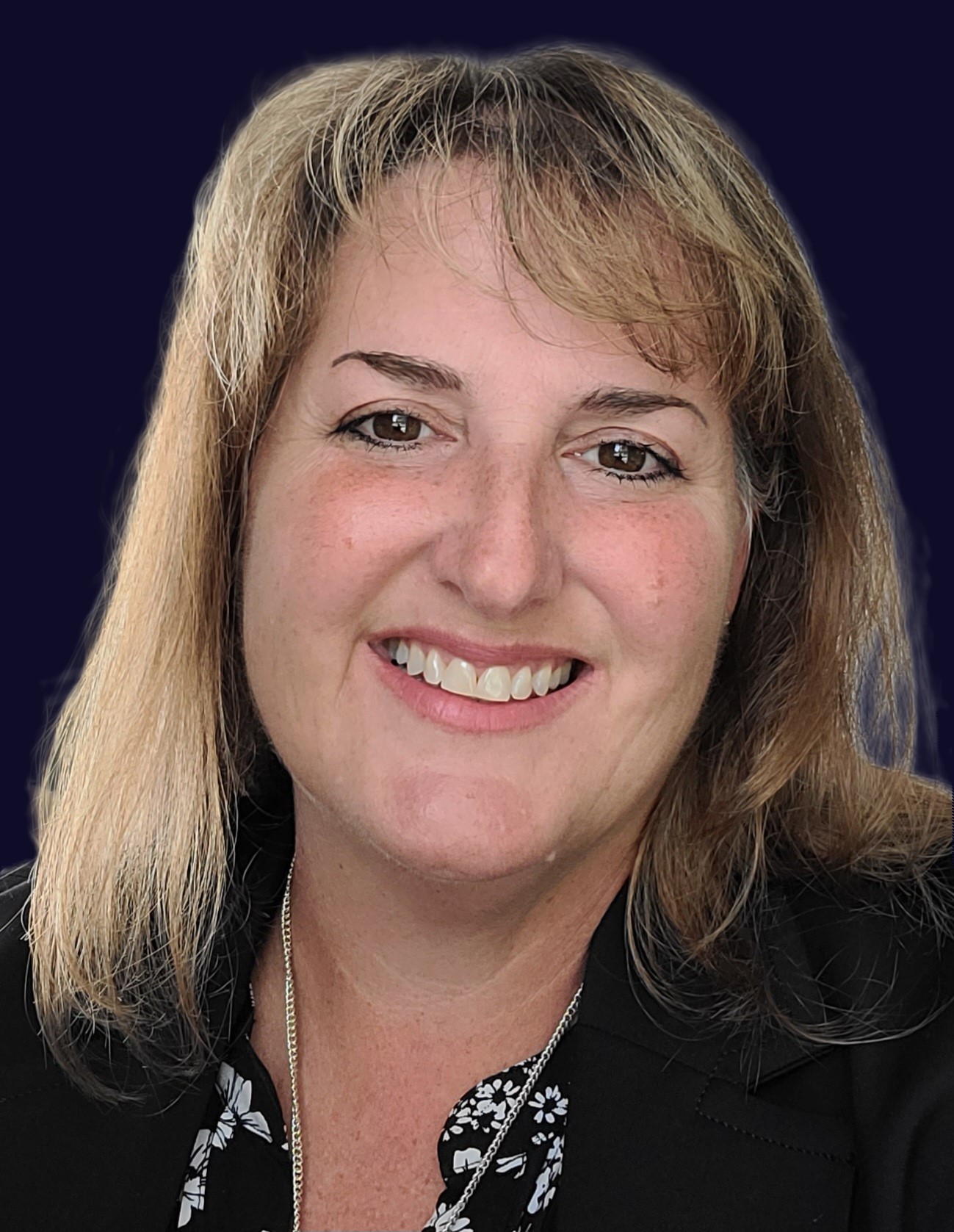
Susan Smith, Product Marketing Manager, Coreforce
What you will be able to do after watching this session:
- Know exactly where your intake process is putting your agency at risk, before a grievance, an investigation, or a lawsuit tells you first.
- Know what investigators and attorneys are actually looking for when they review a critical incident record, and what most agencies are missing.
- Understand why your intake problem does not stay in your facility. When booking breaks down it backs up the county jail system, puts pressure on law enforcement in the field, and creates ripple effects nobody planned for.
- Walk away with a research-backed number you can use in your next budget conversation: injury rates during response-to-resistance incidents dropped from 28.4% to 8.8% after body-worn cameras were deployed at one jail.
- See what it actually looks like when your systems do not talk to each other, not in theory, but staff walking floor to floor, entering the same information three times, and writing reports from memory hours after something happened.
- Know what you have to have figured out before you bring in any new intake technology, and why agencies that skip that step spend months fixing problems they created themselves.
Who You Will Hear From:
- Sheriff (Ret.) John Boyd spent 34 years in law enforcement including two terms as Sheriff. He now works with corrections agencies across the country and brings the perspective of a leader who has sat in the chair this audience is sitting in.
- Josh Tewalt served as Director of the Idaho Department of Correction, overseeing nine prisons, four re-entry centers, and 25,000 offenders under supervision.
- Cameron Bridges, Senior Sales Engineer at Coreforce, will walk through what the technology looks like operationally before and after integration.
- Moderated by Susan Smith, Coreforce.
This is Session 1 of the three part series From Intake to Release: Human-Centered Technology for Modern Corrections
Session 2 is live June 25th. Session 3 covers probation and parole. Each session stands on its own. Together they cover the full corrections lifecycle from intake to release.
Share this webinar