From Custody to Community: Empowering Supervision & Reentry with Technology
Your officers weren't hired to write reports. They were hired to change outcomes. Learn what it looks like when technology is finally built around the officer's work, not added on top of it.
Insights for safer, smarter operations.



.avif)




Webinar registration

Webinar

About this session:
Probation and parole officers are spending 30 to 40 percent of their time on documentation instead of supervision. They are also making field contacts alone, without backup, without a live witness, and without the safety infrastructure that facility staff take for granted. This is the final session of a three-part series and a direct conversation with corrections leaders who have managed community supervision at scale about what it looks like when technology is finally built around the officer's work.
What you will learn:
- What documentation burden actually costs supervision quality and what eliminating it looks like on the ground
- Why probation and parole officers face field safety risks that most agencies are underequipped to address and what closing that gap requires
- What AI-assisted transcription looks like in a real supervision workflow, before and after, not a product demo
- How to make the investment case to skeptical leadership and budget authorities before you talk to any vendor
- What has to be locked down before go-live and what agencies that get adoption right do differently from the ones that don't
Who You Will Hear From:
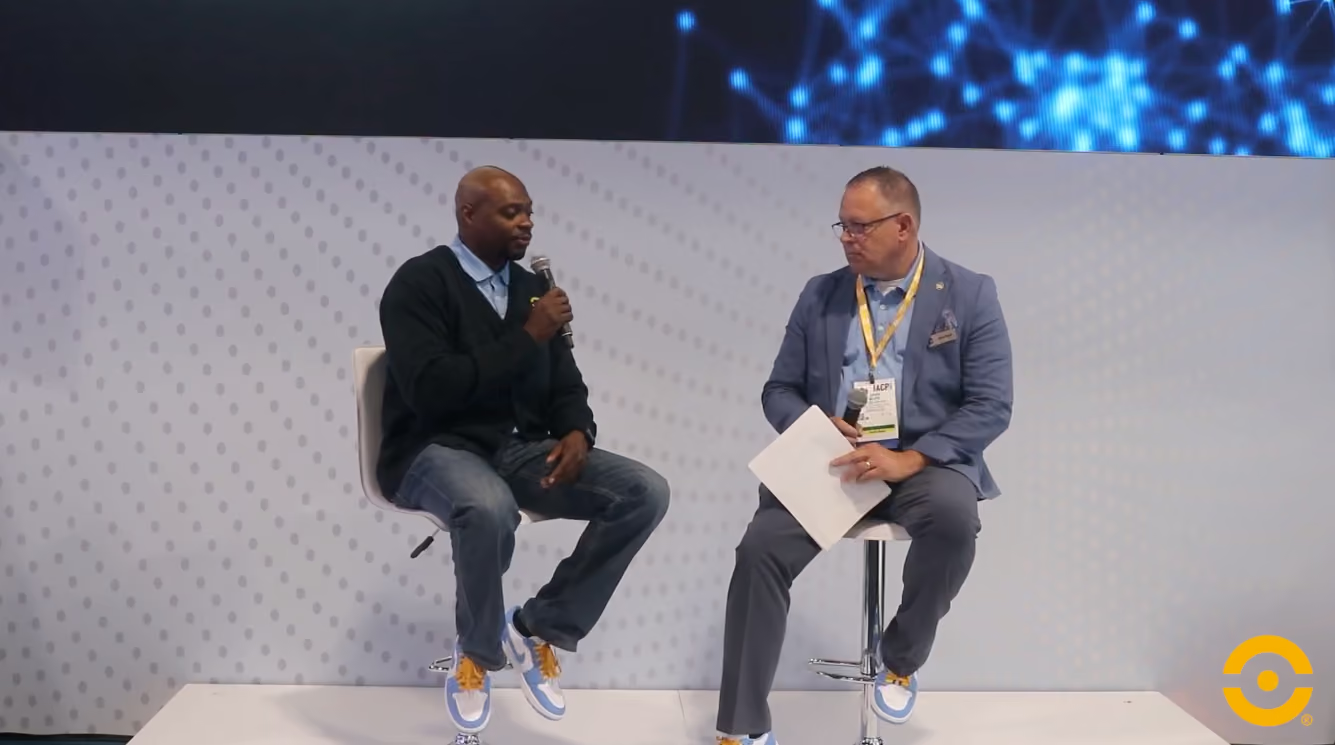
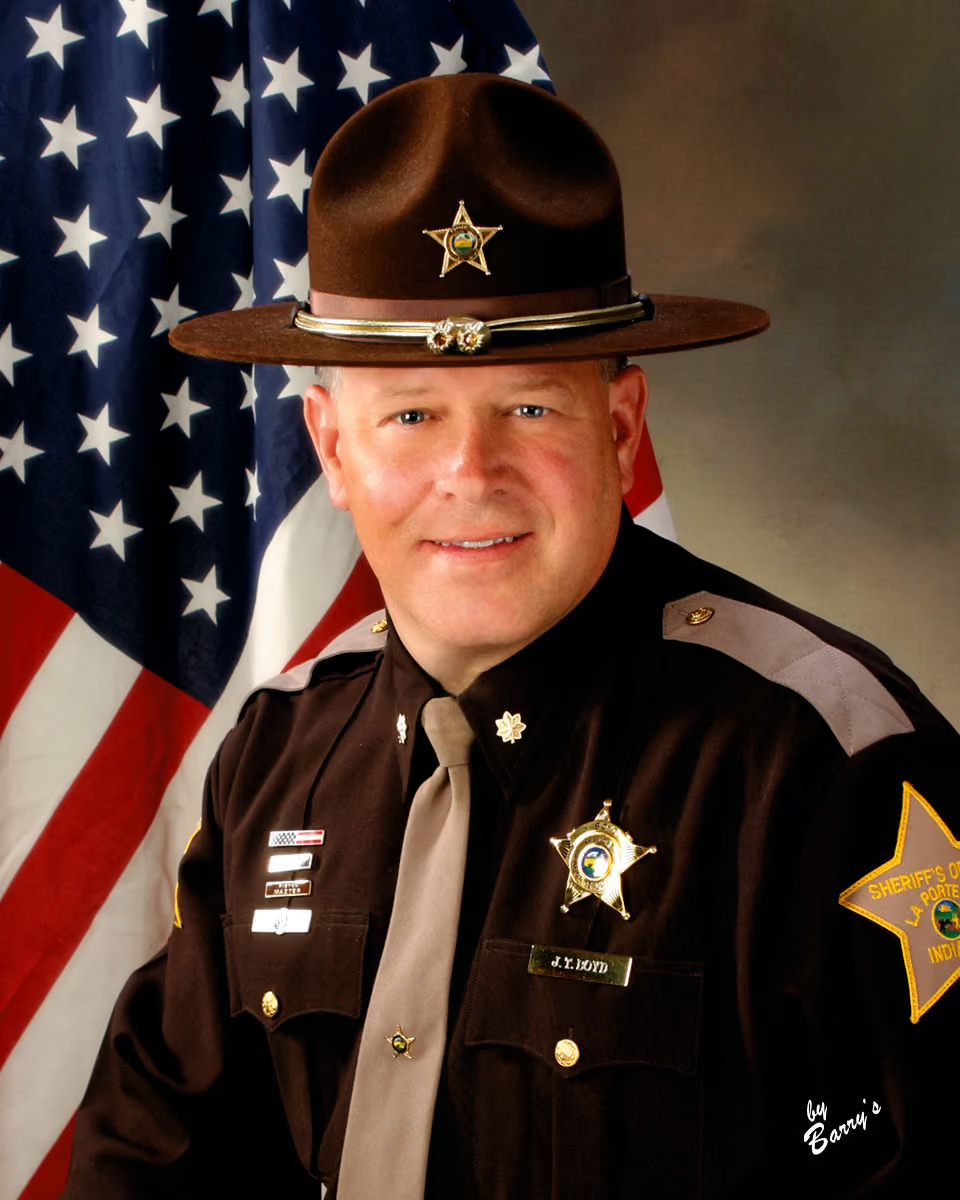
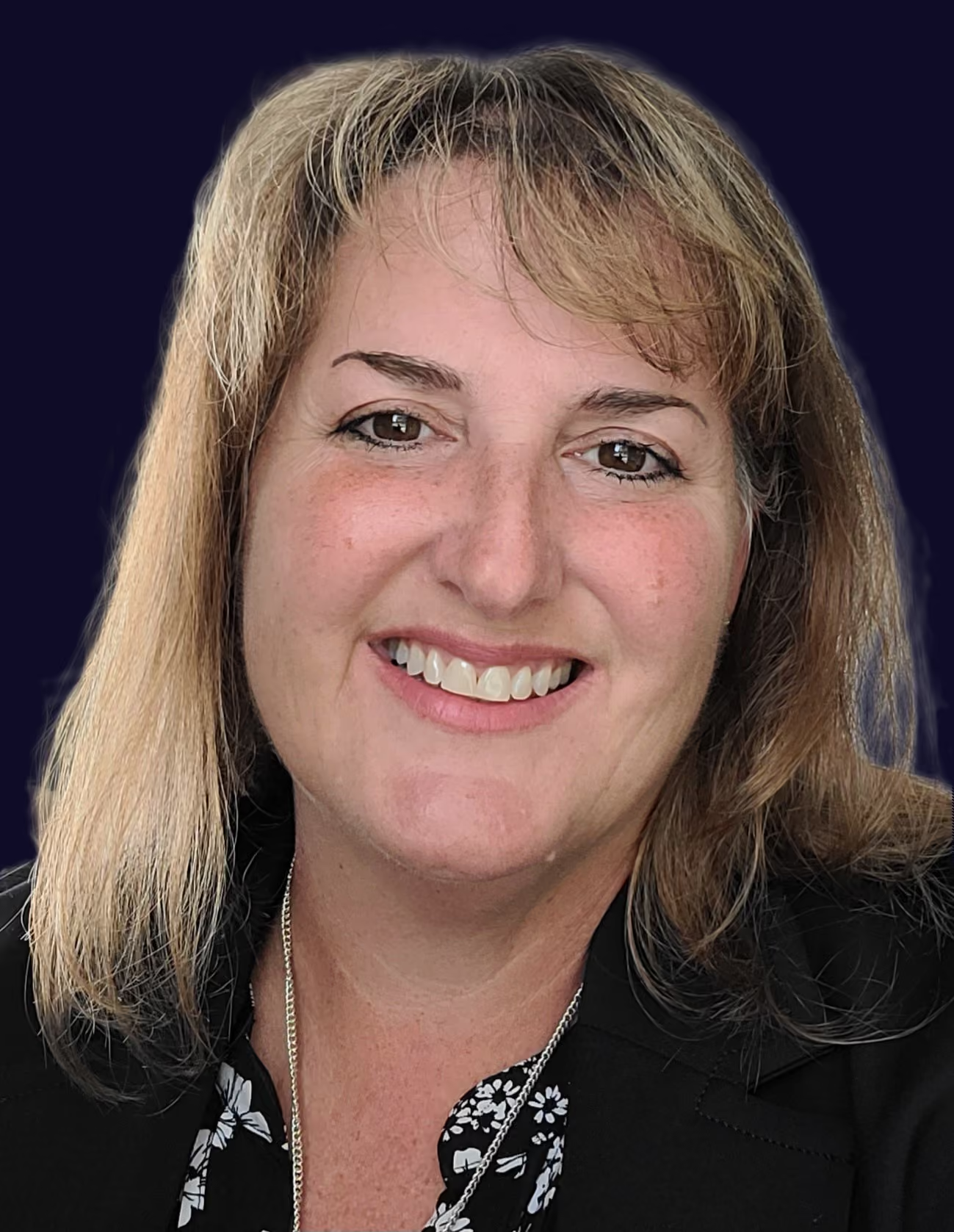
- Sheriff (Ret.) John Boyd spent 34 years in law enforcement including two terms as Sheriff. He works with corrections and community supervision agencies across the country and brings the perspective of a leader who has sat in the chair this audience is sitting in.
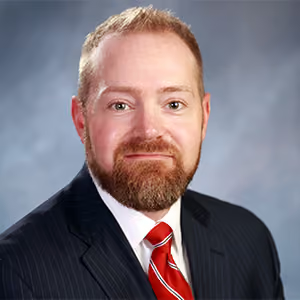
- Josh Tewalt served as Director of the Idaho Department of Correction, overseeing nine prisons, four re-entry centers, and 25,000 offenders under supervision including seven probation and parole districts.
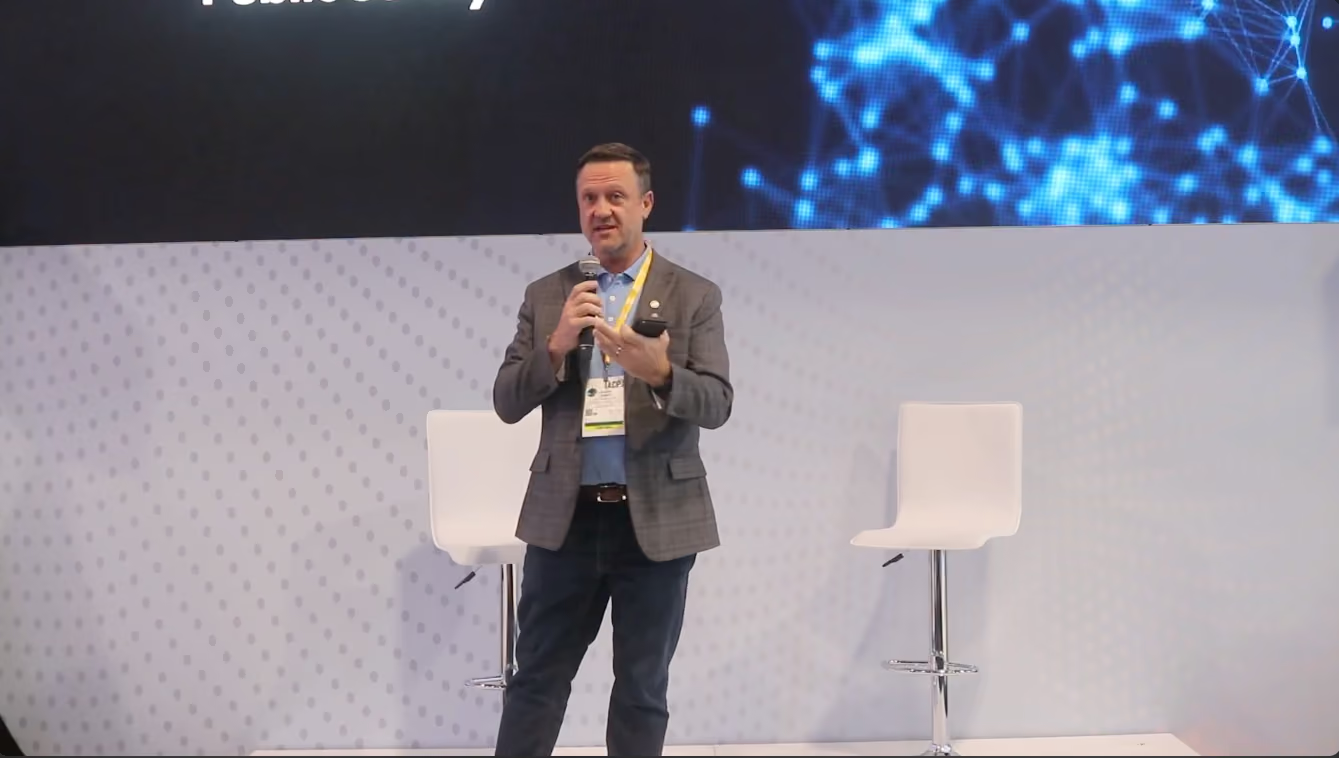
- Cameron Bridges, Senior Sales Engineer at Coreforce, will walk through what the technology looks like operationally before and after.
- Moderated by Susan Smith, Coreforce.