256px.webp)
Staffing Shortages Are Reshaping Public Safety Operations
Staffing Shortages Are Reshaping Public Safety Operations

The numbers are stark. According to a 2024 survey by the International Association of Chiefs of Police (IACP), 70% of agencies report that recruitment is more difficult now than it was five years ago. In Long Beach, California, the police department faced its worst staffing crisis in 25 years, with over 100 vacancies. Philadelphia is dealing with roughly 1,500 unfilled officer positions. Los Angeles is operating 25% below what leadership considers "well-staffed."
This isn't a regional problem or a temporary post-pandemic adjustment. It's a structural shift that's forcing public safety agencies—from major metropolitan departments to rural sheriff's offices—to fundamentally rethink how they operate.
The Dispatch Center Squeeze
While police staffing shortages make headlines, the crisis runs even deeper in 911 dispatch centers. A national survey conducted by NENA (National Emergency Number Association) found that more than 80% of 911 centers report being understaffed. Almost the same percentage said their staff regularly experience burnout and anxiety.
These aren't abstract statistics. They translate into mandatory overtime that stretches weeks at a time. They mean dispatchers handling call surges without adequate backup. They mean experienced telecommunicators leaving the profession entirely because the workload has become unsustainable.
For smaller agencies, the math is even more unforgiving. When you have a dispatch center staffed by six people and two leave, you don't have a staffing problem—you have a crisis. Every sick day becomes a scheduling emergency. Every vacation request creates coverage gaps that someone else has to fill.
The traditional response—hire more people—simply isn't working. Pay raises help with retention but haven't solved recruitment. One Wisconsin county found that even after implementing significant pay increases, they had more vacancies than before the raises were approved. As one official noted, "Pay is not always the most important thing."
Why Traditional Solutions Aren't Enough
Agencies have tried the obvious fixes. Signing bonuses. Relaxed education requirements. Accelerated academy programs. Expanded recruiting pools. Some of these approaches have helped at the margins, but none have reversed the underlying trend.
The reasons are complex and interconnected. The profession faces perception challenges that make recruiting difficult. The work itself has become more demanding as call volumes increase and calls become more complex. Competition from other industries offering comparable or better pay without the stress has intensified.
And here's the uncomfortable truth: even if recruitment suddenly improved, it takes time to train qualified officers and dispatchers. The knowledge gap left by experienced personnel who've departed can't be filled overnight. Institutional expertise—the kind that helps a dispatcher recognize a situation is escalating before it's explicitly stated, or helps an officer navigate a neighborhood's unique dynamics—takes years to develop.
Agencies can't wait for hiring pipelines to catch up. They need to operate effectively today, with the people they have.
Technology as a Force Multiplier
This is where modern public safety technology enters the conversation—not as a replacement for personnel, but as a way to make existing staff more effective.
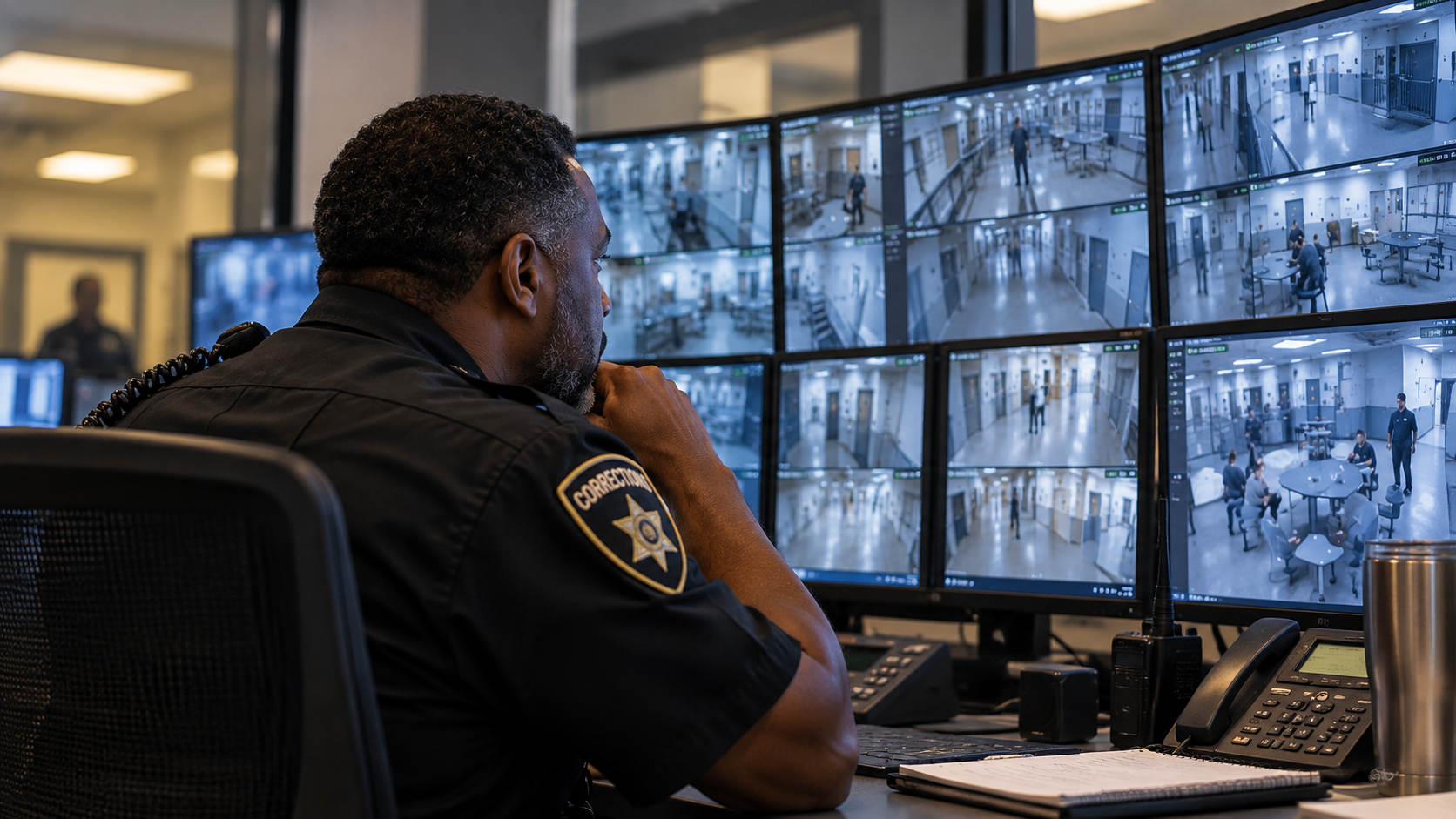
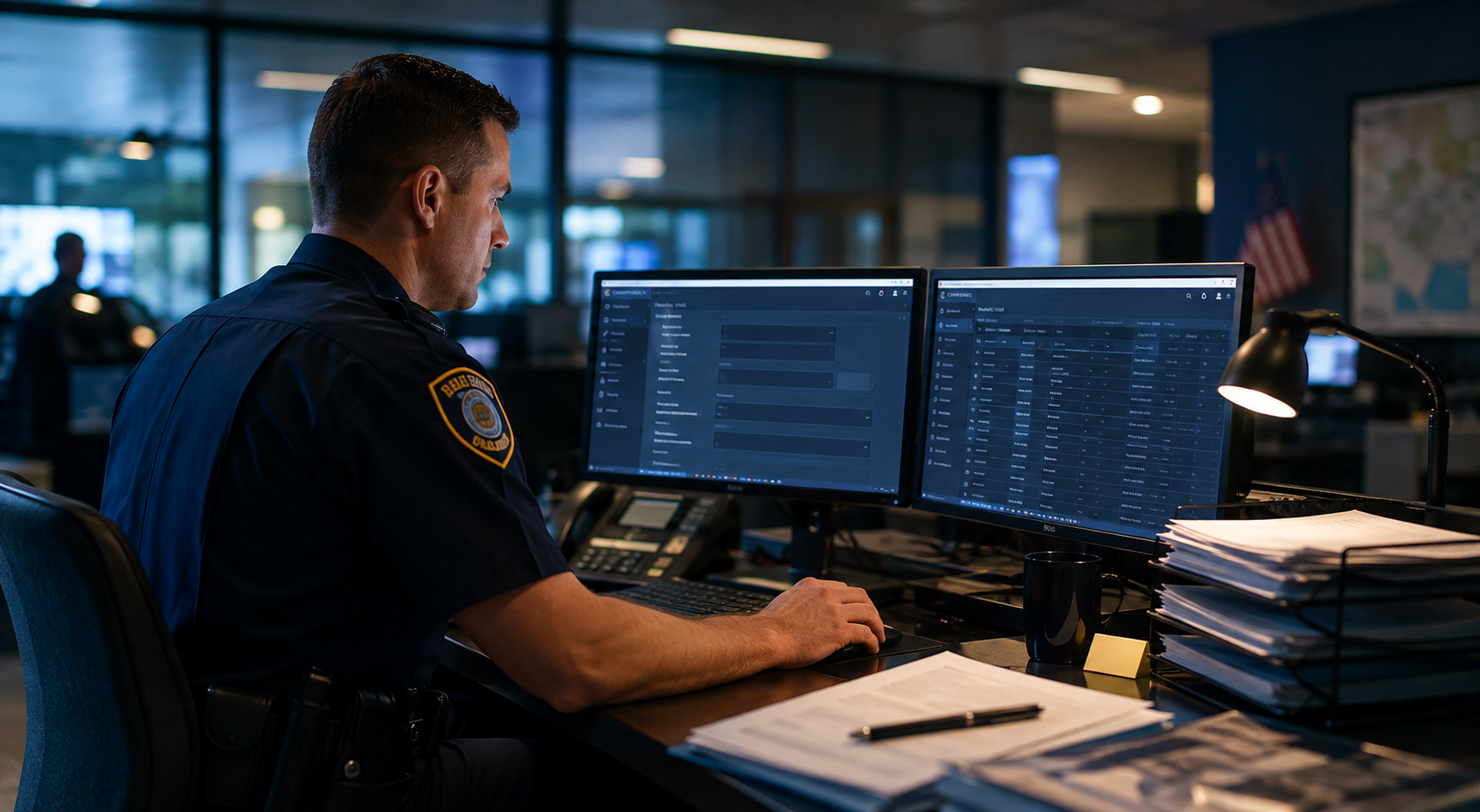
Consider the daily reality of a dispatcher managing multiple incidents simultaneously. Every second spent toggling between systems, manually entering redundant data, or searching for unit status information is cognitive load that could be directed toward the actual work of managing emergencies.
Modern CAD (Computer-Aided Dispatch) systems are designed to reduce this friction. Automated unit recommendations can suggest optimal resource assignments based on location, availability, and call type. Integrated mapping eliminates the need to cross-reference separate systems. Real-time status updates mean dispatchers spend less time chasing down information and more time coordinating responses.
The cumulative effect is significant. When a dispatcher can handle calls more efficiently, the same staffing level can manage higher call volumes without sacrificing quality. When routine tasks are automated, dispatchers can focus their expertise on the situations that actually require human judgment.
This isn't about working faster—it's about working smarter. The goal is to remove unnecessary steps from workflows that were designed for a different era, when staffing was more abundant and technology was more limited.
Supporting Field Personnel
The same principle applies to officers in the field. Every minute spent on administrative tasks—filling out reports, querying databases, coordinating with dispatch—is a minute not spent on community engagement or proactive patrol.
Mobile integration with CAD systems puts information directly in officers' hands. Instead of waiting for dispatch to relay details, officers can see call information, location history, and relevant notes in real time. Instead of calling in status updates, the system can track their location and automatically update availability.
For agencies struggling with coverage, this matters enormously. If you can't add more officers, the alternative is making sure the officers you have can respond more quickly and spend less time on paperwork. Technology won't put more patrol cars on the street, but it can ensure the ones you have are deployed more effectively.
Reducing Burnout Through Better Tools
There's another dimension to this that doesn't show up in efficiency metrics: the psychological burden of working with inadequate tools.
Dispatchers and officers who feel constantly behind, who struggle with clunky systems that create extra work, who can't get the information they need when they need it—these professionals burn out faster. The frustration compounds. The job feels harder than it needs to be, and eventually, capable people decide it's not worth it.
Well-designed technology can't eliminate the inherent stress of public safety work. A dispatcher managing a critical incident will always experience pressure. An officer responding to a dangerous call will always face risk.
But technology can remove the unnecessary stress. Systems that work intuitively. Interfaces that don't require workarounds. Data that flows automatically instead of requiring manual entry. These aren't luxuries—they're basic working conditions that help agencies retain the people they've invested in training.
The Integration Advantage
One of the most significant developments in public safety technology is the movement toward integrated platforms. Historically, agencies cobbled together separate systems for dispatch, records management, evidence storage, and mobile access. Each system had its own interface, its own database, its own quirks.
This fragmentation creates work. Data entered in one system has to be re-entered elsewhere. Reports require pulling information from multiple sources. Simple questions—like "what happened the last time we responded to this address?"—require navigating between applications.
Unified platforms that connect CAD, RMS, and other core systems eliminate much of this overhead. Information entered once flows throughout the system. Officers in the field can access the same data dispatchers see. Records are automatically linked to incidents. The administrative burden decreases across the board.
For understaffed agencies, this integration is particularly valuable. When everyone is stretched thin, you can't afford the inefficiencies that come from disconnected systems. Every workflow should be as streamlined as possible.
Planning for the New Reality
The staffing challenges facing public safety aren't going to resolve themselves quickly. Demographic trends, labor market dynamics, and evolving attitudes toward public safety careers all suggest this is the operating environment for the foreseeable future.
Smart agencies are adapting accordingly. They're auditing their workflows to identify where technology can reduce manual effort. They're investing in training to ensure their teams can fully leverage the tools they have. They're evaluating their technology stack not just for features, but for how effectively it supports personnel who are doing more with less.
The agencies that thrive in this environment won't necessarily be the ones with the biggest budgets or the most aggressive recruiting campaigns. They'll be the ones that figure out how to maximize the impact of every person on their roster.
Technology is central to that equation. Not as a silver bullet, but as a practical tool for making demanding jobs more manageable—and helping the people who do them stay in the profession long enough to make a difference.
Sources:
- International Association of Chiefs of Police (IACP), "The State of Recruitment & Retention" survey, 2024
- National Emergency Number Association (NENA), "Pulse of 9-1-1" report, 2023
- NPR, "Many 911 call centers are understaffed, and the job has gotten harder," April 2024
- American Police Beat Magazine, "Insufficient Police Staffing Continues Throughout the U.S.," May 2025
- Governing, "Why It's So Hard to Recruit Police Officers," August 2024
How technology is helping agencies do more with less—without burning out the people who remain