256px.webp)
You Already Have Cameras. The Question Is Whether You're Stuck With the Wrong Vendor.

If you are already running a body camera program and something about it isn't working, you are not alone and you are not stuck. You have already done the hardest part. You believe in cameras. You went through the budget fight. You got your officers trained and your policy written. What you are dealing with now is not a body camera problem. It is a vendor problem.
And vendor problems are solvable.
Why Switching Feels Harder Than Starting From Scratch
Once your evidence library lives in one platform, moving it feels impossible. That is not necessarily an accident. Vendor lock-in, where switching costs (financial, technical, or procedural) become the main reason an agency stays with a system it has already decided isn't working, is a well-documented pattern in public-sector technology procurement generally, and body camera platforms are no exception.
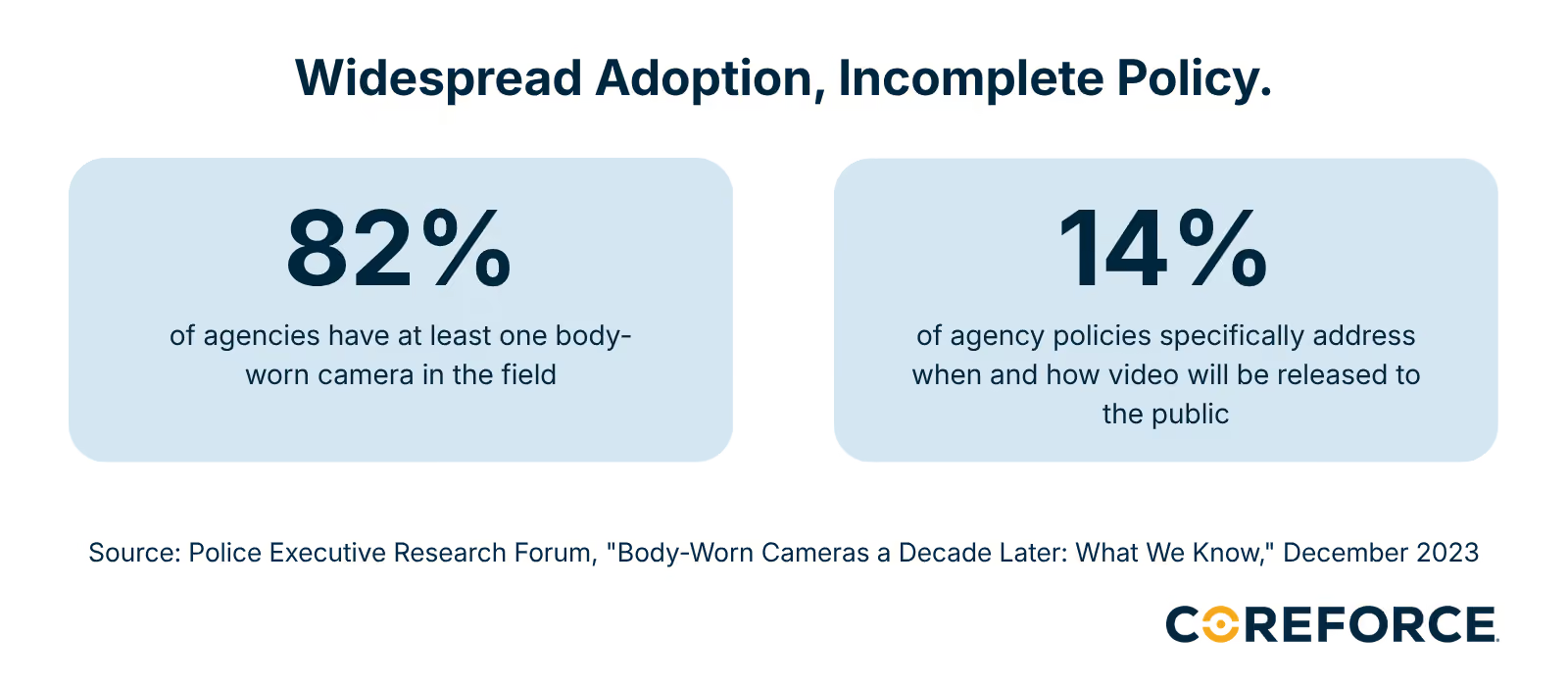
That gap, between having cameras and having a system that actually functions as a complete program, is exactly where most vendor frustration starts.
The Three Reasons Agencies Switch
Across agencies that have changed providers, three frustrations surface almost every time.
- Their data is held hostage. Footage and metadata belong to your agency, not your vendor. But some vendors charge agencies to export their own evidence when a contract ends. At the volume most agencies generate, extraction fees are not a nuisance. They are a budget hit that forces agencies to stay with a vendor they have already decided to leave.
- Support disappears after the sale. During the demo, response times are fast and the team is attentive. Two years into a five-year contract, the chief is leaving voicemails and submitting tickets. For a department with one sergeant managing the entire camera program, a system that goes down without live support is a department with a real operational gap.
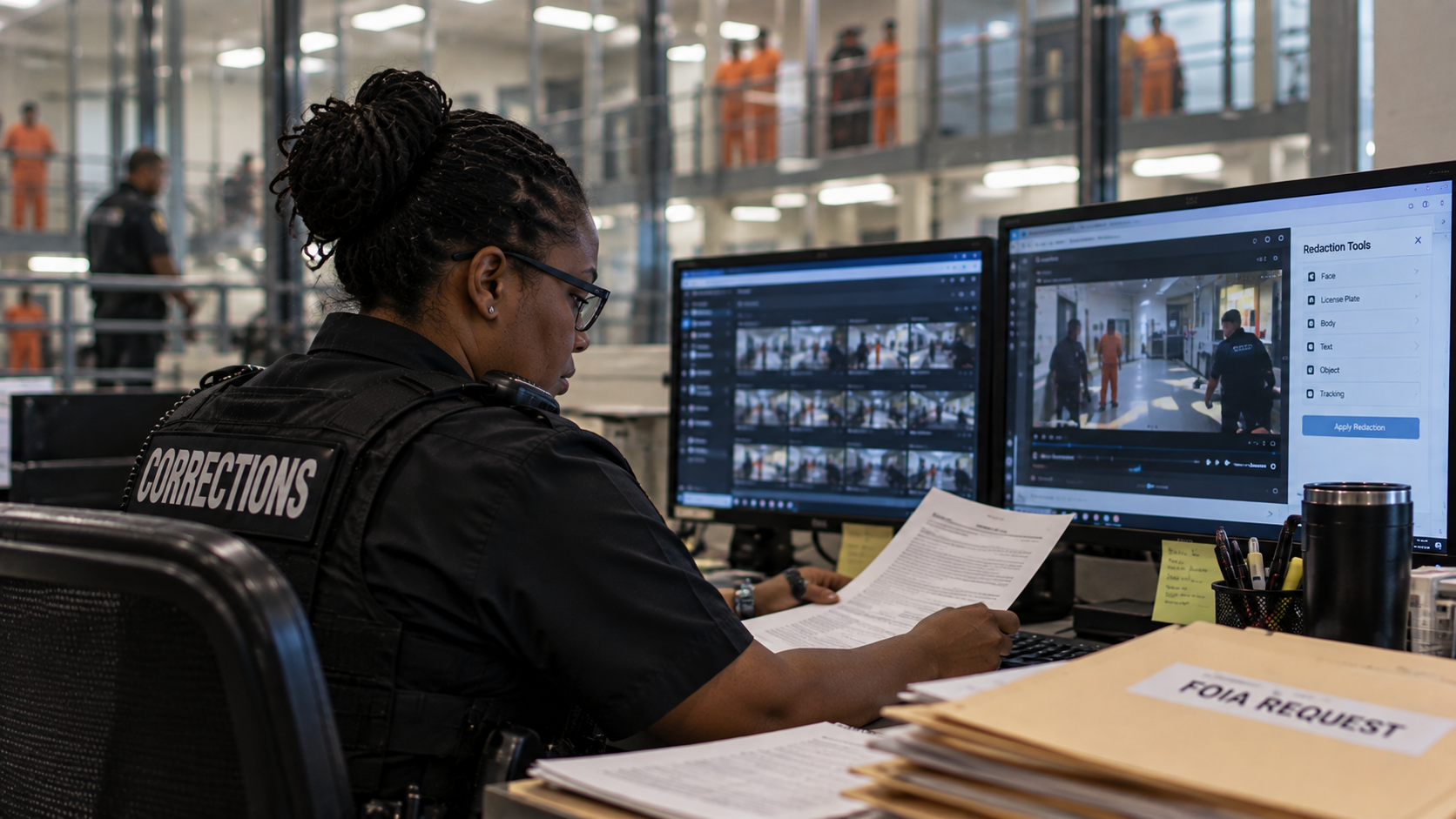
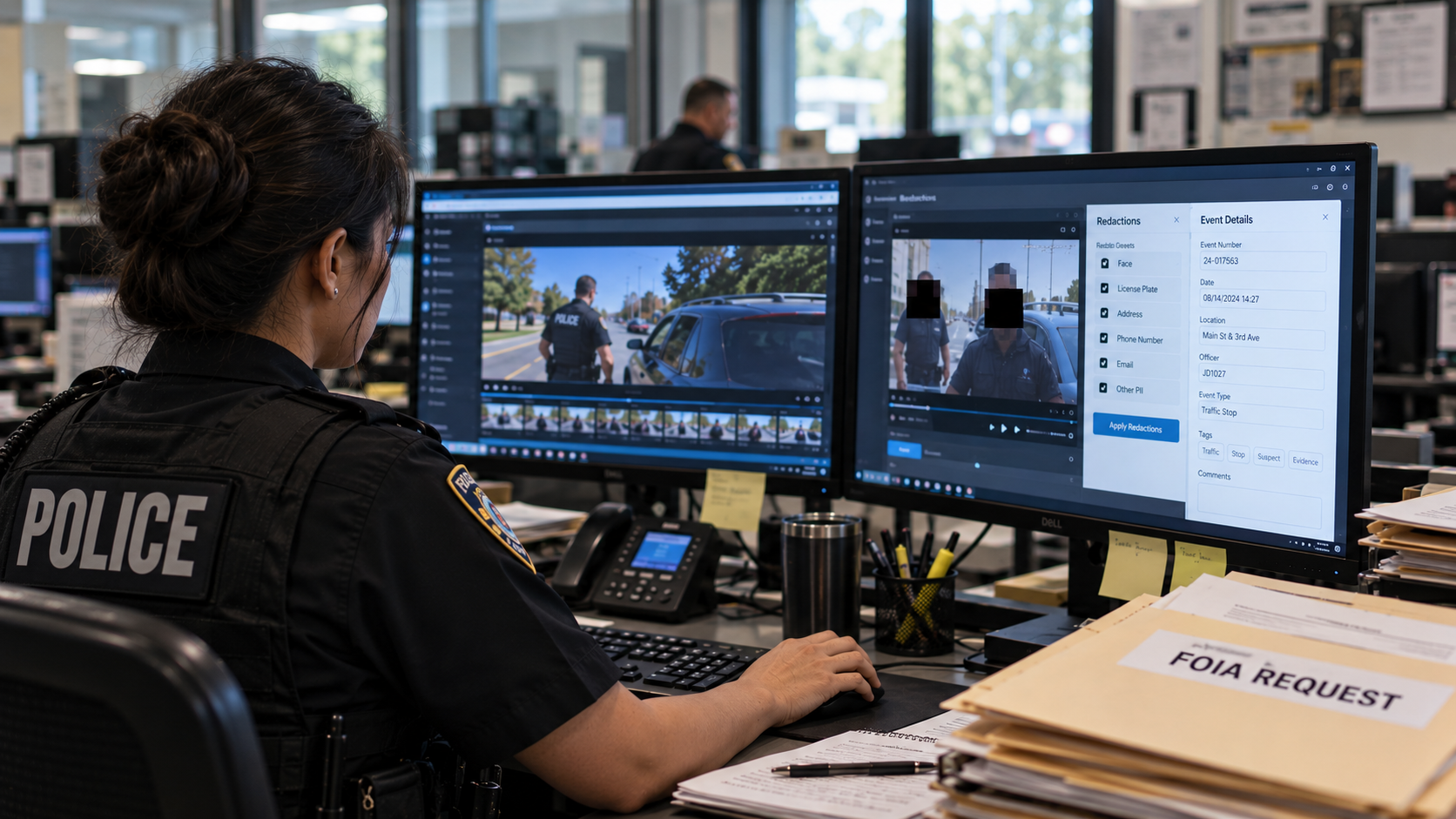
- The system never actually connected to the rest of their workflow. Evidence upload is manual. Records don't talk to CAD. FOIA requests take days because footage isn't tagged and searchable. The camera worked. Everything around it didn't.
“It's Your Data. It Shouldn't Cost You to Get It Back.”
Sheriff (Ret.) John Boyd now serves as Coreforce's Law Enforcement Liaison. Before he came to Coreforce, his own agency went through a vendor failure. The vendor admitted it.

"Quite frankly, the company that we had originally contracted with admitted that we sold you expectations that we simply can't fulfill. A contract goes both ways, and if your vendor is not providing what they're contracting to provide, they're in violation of the contract as well.” — Sheriff (Ret.) John Boyd, Coreforce Law Enforcement Liaison
On the question of data ownership, Boyd is direct.
"It shouldn't cost you to get your data back. If I were to have gone to my property room manager and said, we need to move this evidence, I can't imagine what my reaction would have been had that manager said, sure, but it's going to cost you. It's your data.” — Sheriff (Ret.) John Boyd, Coreforce Law Enforcement Liaison
What the Ideal Vendor Looks Like
Chief Mark Swistek ran a different vendor's system at Michigan City Police Department for years before switching to Coreforce at Long Beach. The difference he describes isn't about specs or features.

"I didn't get the customer care that we're getting today. I get phone calls from Coreforce every other month just touching base when I don't really need anything. And when I do need something, a simple email, next thing you know, we've got a new camera or a new holder on its way two days later.” — Chief Mark Swistek, Long Beach (IN) Police Department
For a five-person department, that difference is not a satisfaction metric. It is operational continuity. When the sergeant who owns your camera program goes on maternity leave, the chief needs to be able to pick up the phone and reach a person. Not a ticket portal. Not an auto-reply. A person.
Know Before You Sign
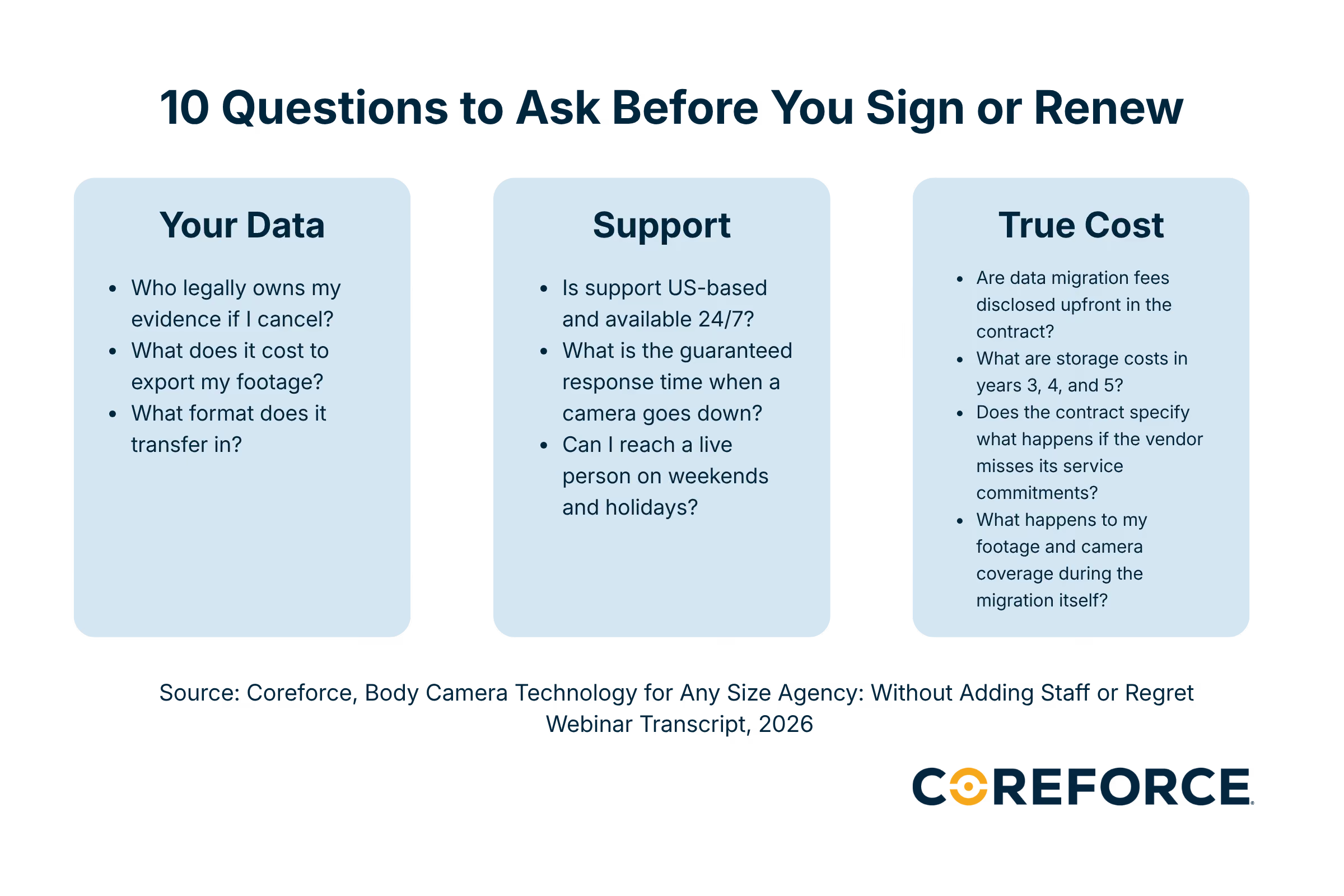
Whether you are renewing your current vendor or evaluating a switch, the questions are the same. What does it cost to get your data out if you leave? Who picks up the phone when something breaks at 2am? And does the contract hold the vendor to what they showed you in the demo, not just what is in the fine print?
Chief Swistek's advice before any agency commits to a new contract: get a 90-day demo in the field, collect feedback from the officers who will use it every shift, and ask the hard questions before you sign, not after.
“I would encourage everyone to at least do a testing and evaluation stage. Get a demo camera in, try it for 90 days. Get employee feedback. They're the ones on the front line that are going to have to utilize this equipment. Getting that buy-in from your staff before you make that final decision is very important.”— Chief Mark Swistek, Long Beach (IN) Police Department
Sources
[1] Police Executive Research Forum — “Body-Worn Cameras a Decade Later: What We Know,” December 2023 (82% BWC adoption figure and 14% policy-review figure both verified directly in this report) https://www.policeforum.org/assets/BWCdecadelater.pdf
[2] Coreforce, Body Camera Technology for Any Size Agency: Without Adding Staff or Regret Webinar Transcript — Sheriff (Ret.) John Boyd and Chief Mark Swistek, 2026: https://www.coreforcetech.com/resources/body-camera-technology-for-any-size-agency-without-adding-staff-or-regret
Two people who lived through a vendor failure
Coreforce's own webinar brought together Sheriff (Ret.) John Boyd and Chief Mark Swistek, two law enforcement leaders who've each been on the wrong end of a vendor contract. No product demo, no sales pitch, just what went wrong and what they'd check before signing again. Free, on demand.
You didn't fail at body cameras. Maybe your vendor did. Here's how to fix it without starting over.
Not sure if switching is worth it? Let's find out.
Not every agency should switch, and not every switch needs to happen this year. Talk to a Coreforce rep, tell them about your current contract, and they'll help you figure out what it would actually cost to leave and whether now is the right time. No pressure either way.