256px.webp)
Staffing Isn't the Only Problem in Corrections. Here's the One You Can Actually Fix

You cannot hire your way out of the staffing crisis. Most corrections leaders already know this. What is less obvious is that the facilities making the most operational progress right now are not doing it by filling vacancies faster. They are doing it by removing the burden that is breaking the staff they already have.
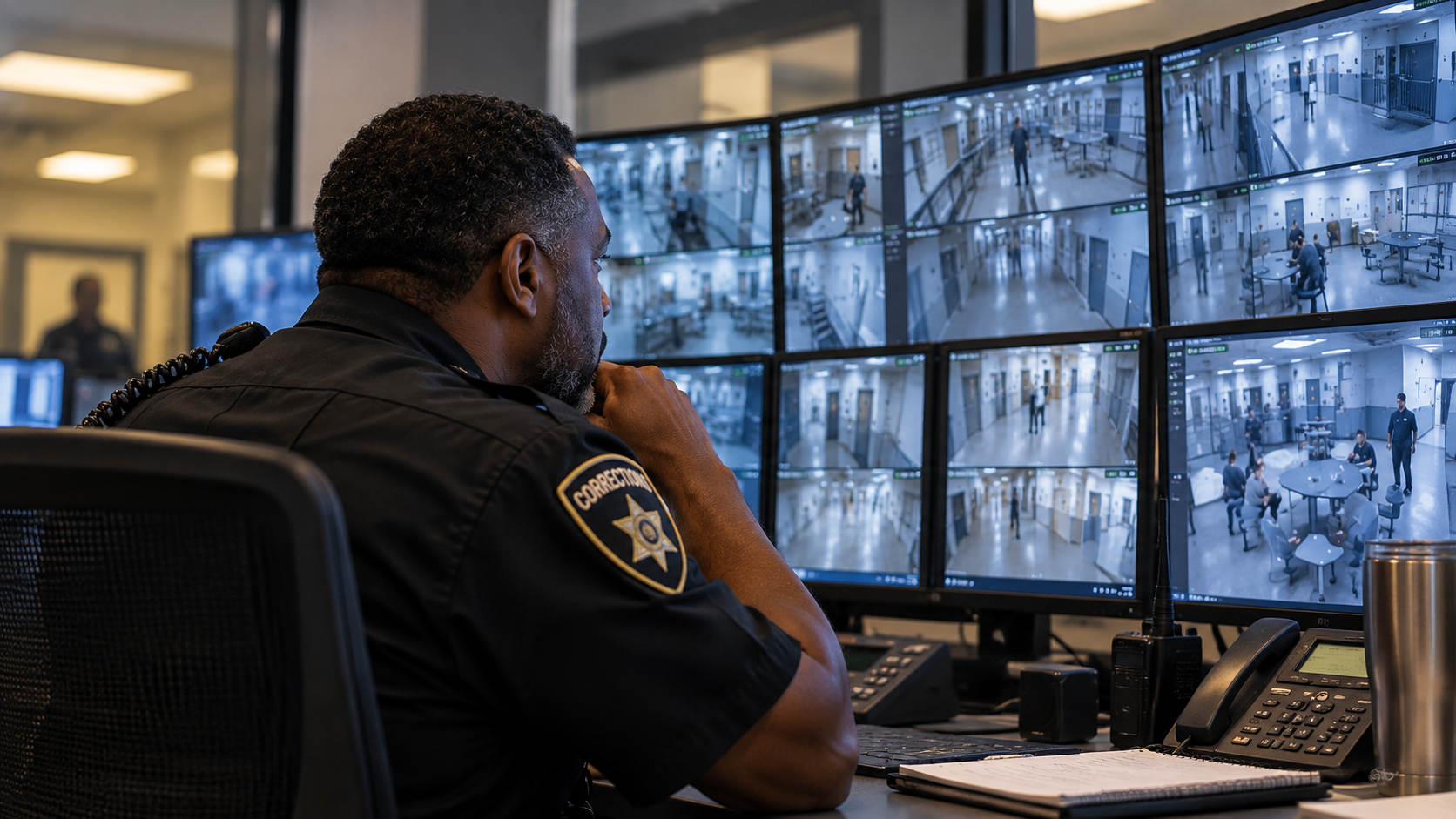
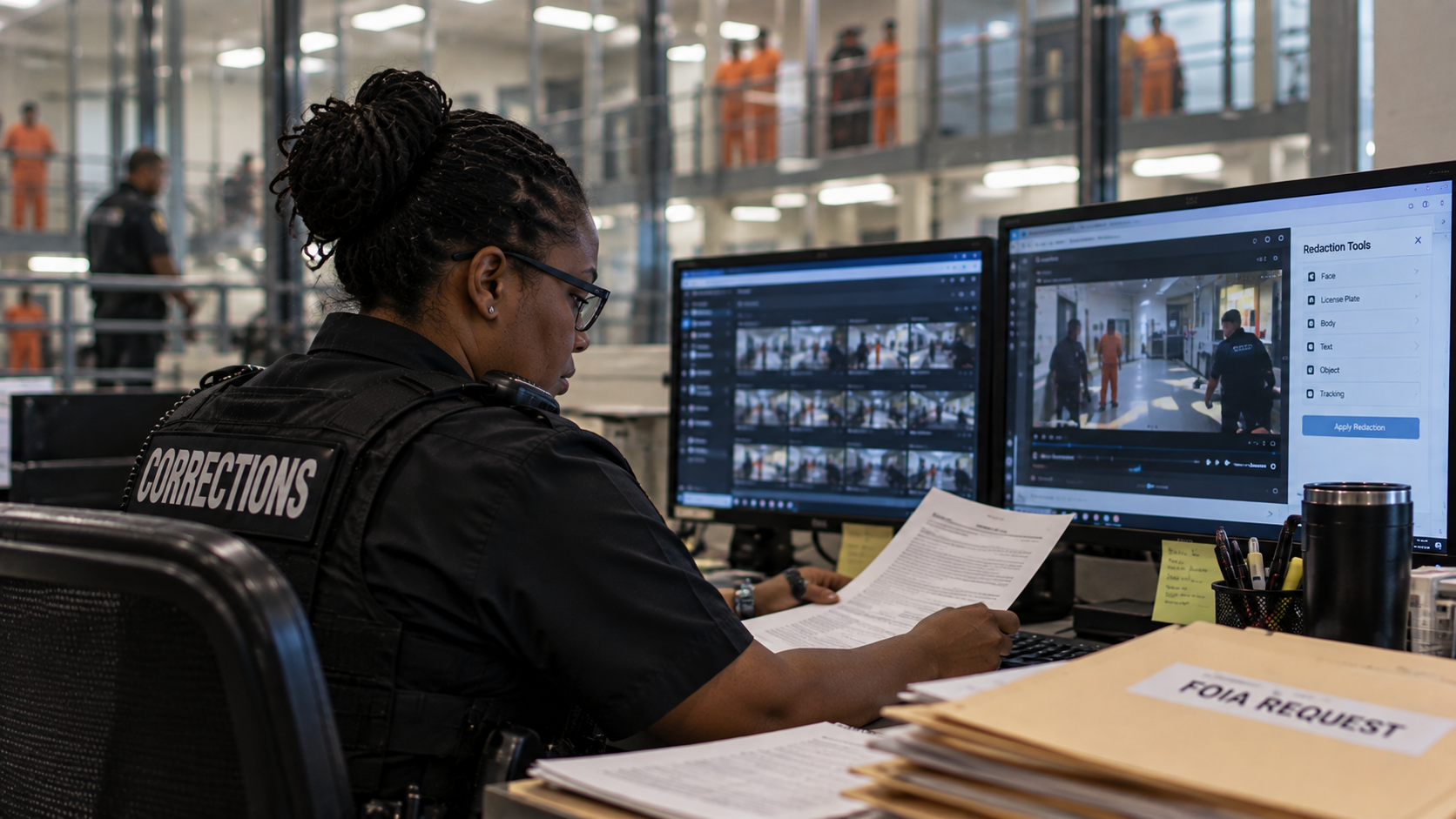
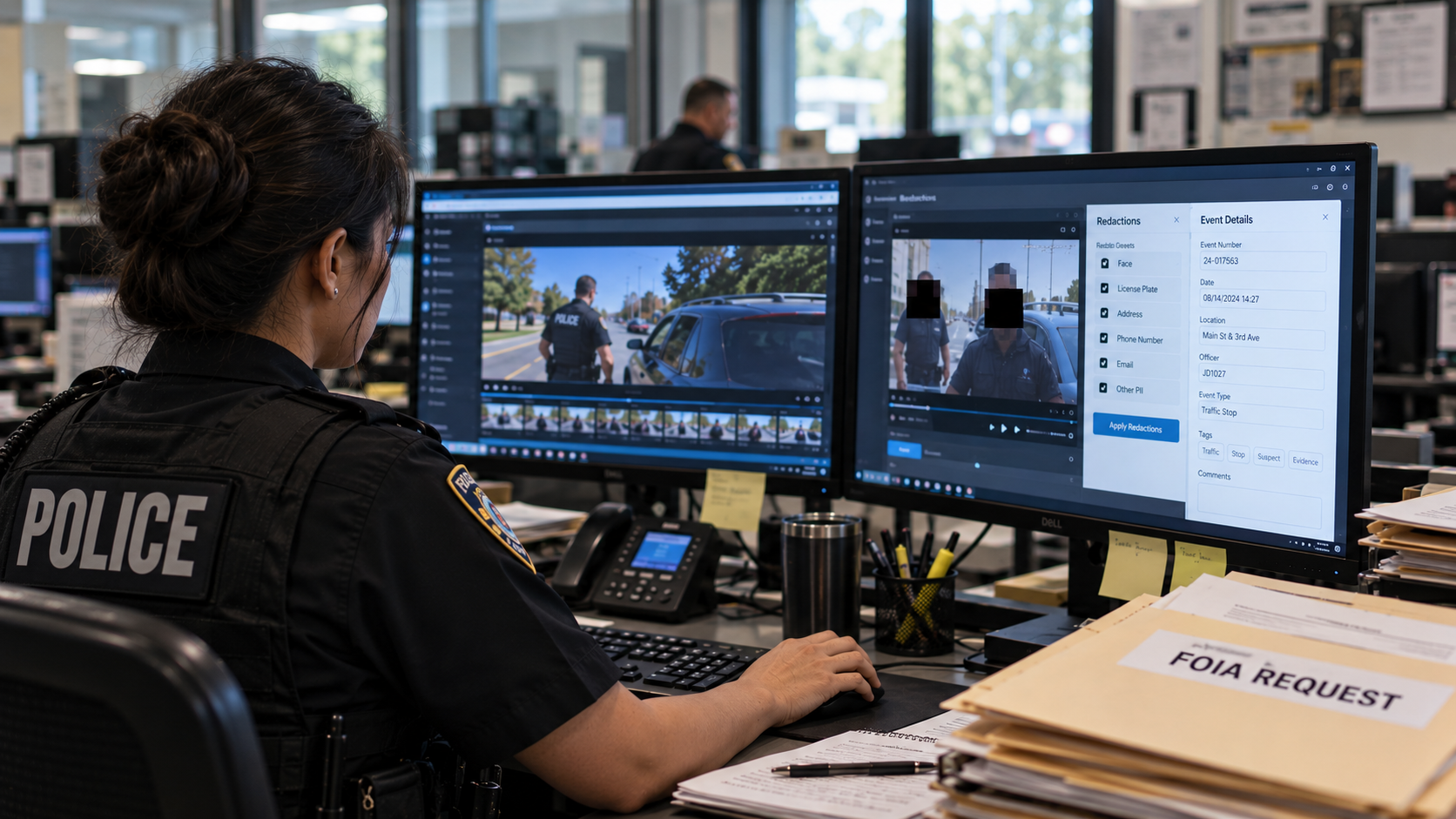
This burden has two parts. The first is coverage: too many posts, too few officers. The second is documentation: systems that were built for fully staffed operations, used by staff who no longer have the time to use them correctly. Every hour a correctional officer spends running between siloed systems is an hour they are not able to be present, performing necessary duties. Not preventing. Not responding. The documentation burden and the staffing crisis are not two separate problems. They are the same problem compounding each other, and only one of them can be addressed without budget appropriation.
A Workforce Under Pressure
The corrections workforce has been in structural decline for over a decade. Facilities are being run with dramatically fewer officers than originally designed.
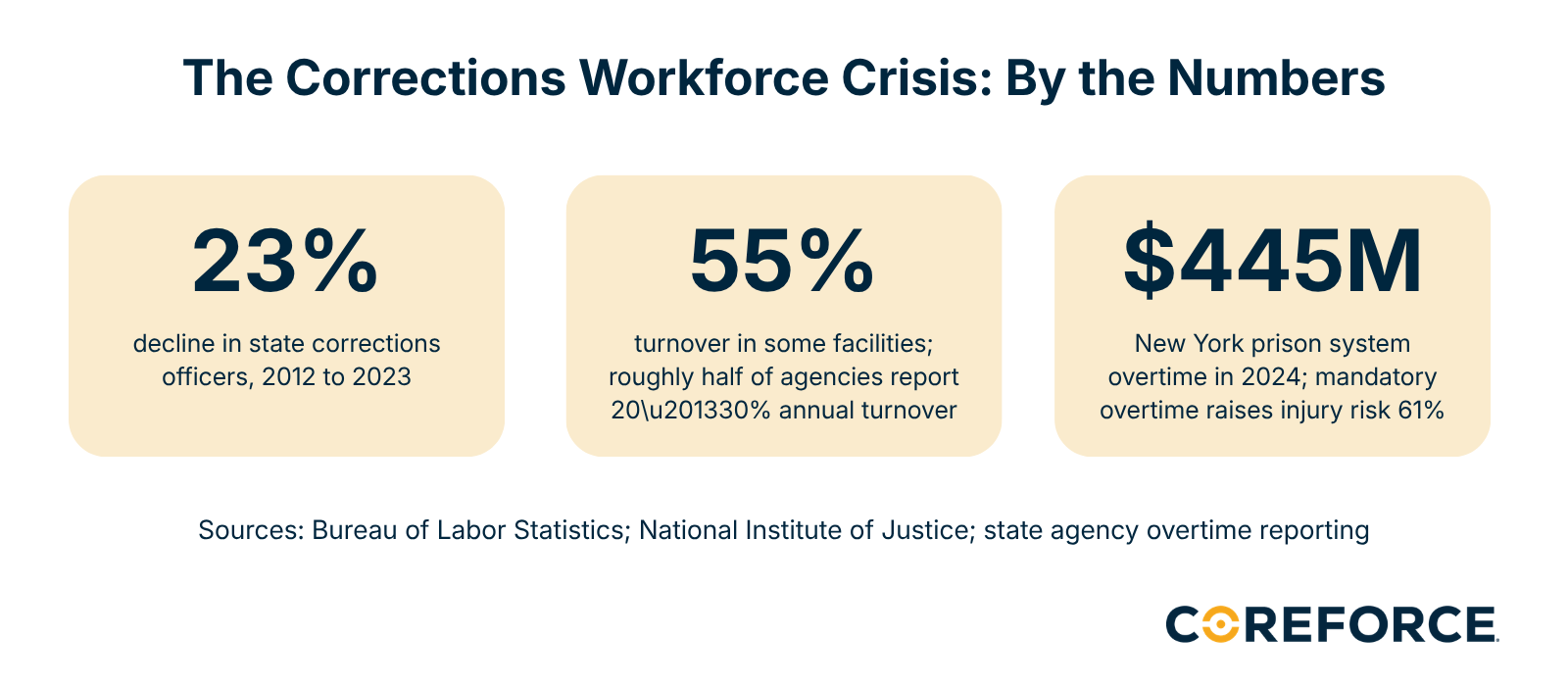
- State corrections employment fell 23% from 2012 to 2023, from 236,890 officers to 181,650, according to Bureau of Labor Statistics data.
- Turnover in state prisons has been reported as high as 55% in some facilities, per the National Institute of Justice, while a separate nationwide agency survey found roughly half of respondents reporting 20 to 30 percent annual turnover, with 48% of staff leaving within one to five years.
- By midyear 2022, local jails were running at four inmates per correctional officer, up from 3.0 in 2020, consistent with Bureau of Justice Statistics jail population and staffing data.
- State corrections agencies have reported substantial overtime spending in recent years, including New York's prison system, which spent $445 million on overtime in 2024, and Maryland's Department of Public Safety and Correctional Services, which spent $205 million the same year, enough to fund more than 2,700 full-time positions.
- Working overtime has been found to increase the likelihood of on-the-job injury by 61%, based on a peer-reviewed occupational health study of nearly 11,000 workers. Correctional officers already face a rate of workplace assault and violence injuries of 254 per 10,000 full-time employees, more than 35 times the rate for all other U.S. occupations, according to NIOSH-analyzed federal injury data.
When the same officers are working 16-hour days, five days a week, they are not just tired. They are statistically more likely to be hurt, make documentation errors, or leave. In Alabama, for example, it takes nearly 17 weeks on average to hire, train, and replace each officer who exits, according to the state's own Commission on the Evaluation of Services. That is 17 weeks of coverage gap multiplied by every officer who burns out because the workload was unsustainable.
The Work Behind “The Work”
Ask the officers who are still showing up what their shift actually looks like and the answer is consistent across facility types and states. They are not just covering more posts. They are also absorbing documentation workloads that were never designed to be efficient.
“The staffing shortages lead to difficulty monitoring multiple systems. Systems that, in most correctional settings today, are fragmented, disparate, and cumbersome. They result in poor incident detection, elongated response times, safety issues, poor morale, claims of failure to protect, and increased claims and liability.”
— Sheriff (Ret.) John Boyd, Coreforce Law Enforcement Relations Liaison
Boyd is describing a chain reaction. Understaffing makes it impossible to monitor fragmented systems effectively. Fragmented systems slow incident detection. Slower detection means longer response times. Longer response times mean more injuries, more liability exposure, and more officers deciding this job is not worth it. Each one makes the other worse as the cycle continues.
Josh Tewalt, former Director of the Idaho Department of Corrections, oversaw 25,000 people across 9 prisons and 4 reentry centers. He watched this loop play out directly when his system changed documentation platforms.
“Things that would take our staff at intake 5 clicks to do now took 10 clicks. And that's real time. That's taking them away from other important duties. That's real overtime we are creating.”
— Josh Tewalt, Former Director, Idaho Department of Corrections
Five extra clicks per transaction across a full intake shift adds up to hours. Hours that come directly out of supervision time, response time, and the time officers have to do the work they were actually hired to do.
An Operational Opportunity
You cannot simply add staff by next Thursday. You can, in most facilities, audit how many systems your officers are logging into each shift, where documentation requires them to physically move between locations, and how much time each of those steps actually takes.
This audit almost always reveals that a meaningful portion of your documentation burden is a technology design problem, not a staffing problem. It will not be solved by hiring more officers. It will be solved by giving the officers you have systems that work for them rather than against them.
The facilities that are managing the staffing crisis most effectively are not necessarily the ones with the best recruitment pipelines. They are the ones whose staff are spending their time on supervision instead of data entry, whose documentation is captured at the moment of the interaction rather than reconstructed from memory hours later, and whose systems tell a complete, connected story rather than a fragmented one.
The story starts with knowing where your current systems are adding hours rather than removing them.
Sources
[1] Bureau of Labor Statistics / Bureau of Justice Statistics data, as compiled in “Safer Prisons, Safer Communities” data brief (state corrections employment decline, 2012–2023; jail inmate-to-officer ratios) https://saferprisonssafercommunities.org/wp-content/uploads/2024/10/SaferPrisonsDataBrief_v3.pdf
[2] National Institute of Justice, “Workforce Issues in Corrections” (turnover rates as high as 55%); Prison Policy Initiative analysis of a nationwide corrections agency survey (48% one-to-five-year turnover) https://nij.ojp.gov/topics/articles/workforce-issues-corrections
[3] State agency overtime reporting as compiled by RespondCapture, “Locked In and Short-Staffed: The Hidden Crisis in America's Jails and Prisons” (New York and Maryland 2024 overtime figures) https://www.respondcapture.com/insights/locked-in-and-short-staffed-hidden-crisis-americas-jails-prisons
[4] Peer-reviewed occupational health research on overtime and injury risk (61% figure); NIOSH-analyzed federal injury data on correctional officer assault rates (254 per 10,000 FTEs), published via National Institutes of Health / PMC https://pmc.ncbi.nlm.nih.gov/articles/PMC4699466
[5] Alabama Commission on the Evaluation of Services, “Correctional Officer Recruitment & Retention Efforts” (nearly 17-week average hire-to-fill timeline) https://evidence.alabama.gov/publications/correctional-officer-recruitment-retention-efforts/
[6] Coreforce, “Building a Defensible Foundation: Intake, Documentation & Data Integrity” Webinar Transcript, 2026 https://www.coreforcetech.com/resources/building-a-defensible-foundation-intake-documentation-data-integrity
Increase Safety Without Increasing Staffing
Staffing shortages may not have a quick fix. But reducing the operational burden on your existing team is something you can address now. Hear corrections leaders discuss how better intelligence and connected systems can help staff spend less time managing fragmented information and more time focused on safety.
Corrections teams can't hire their way out of the shortage. Fragmented documentation systems pull officers from supervision. See how an audit shows where hours go.