256px.webp)
Unifying Incident Records - And Why It Matters

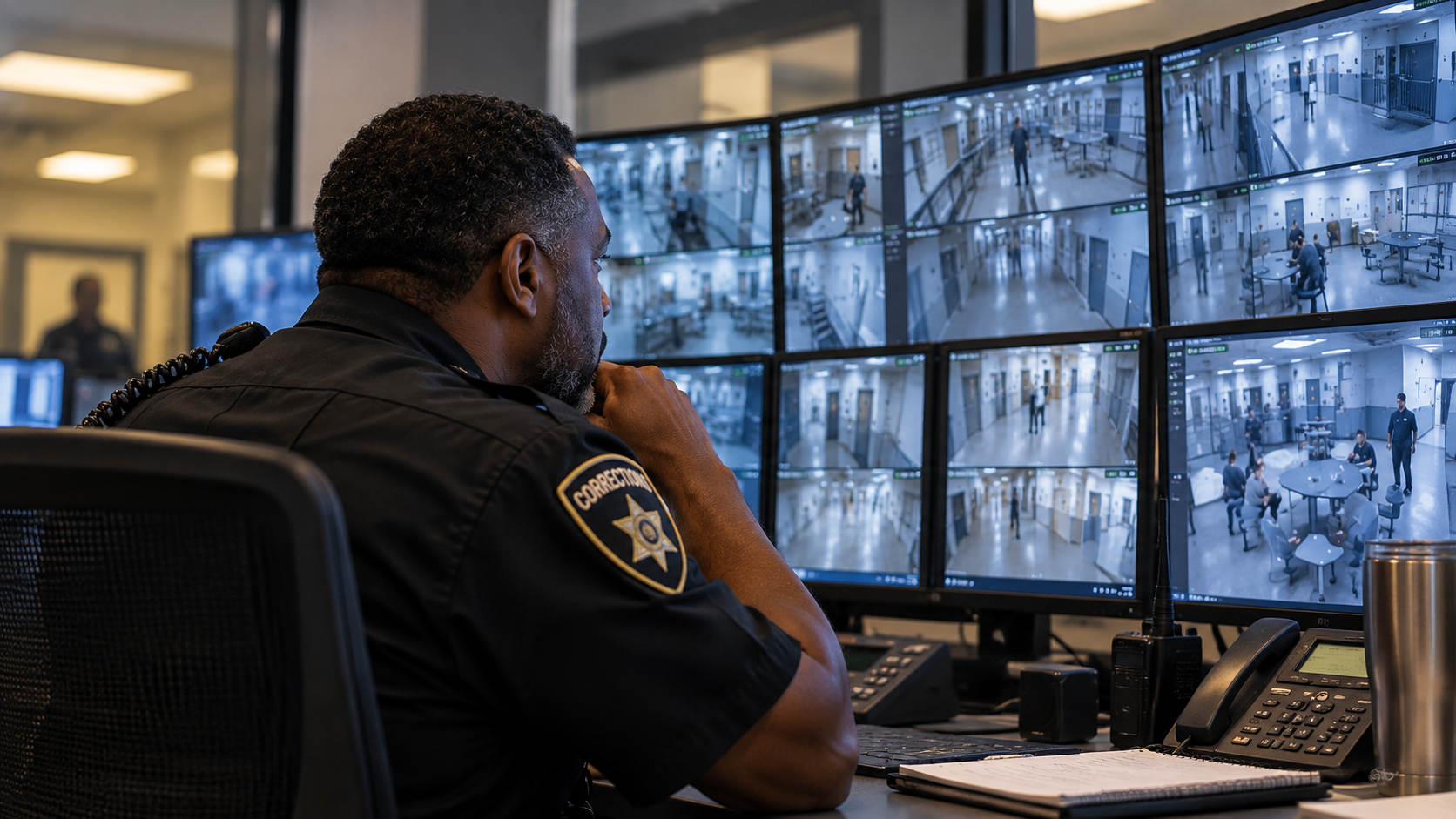
Most corrections facilities do not lose lawsuits because they lack documentation. They lose them because the documentation they have cannot tell a coherent story under scrutiny.
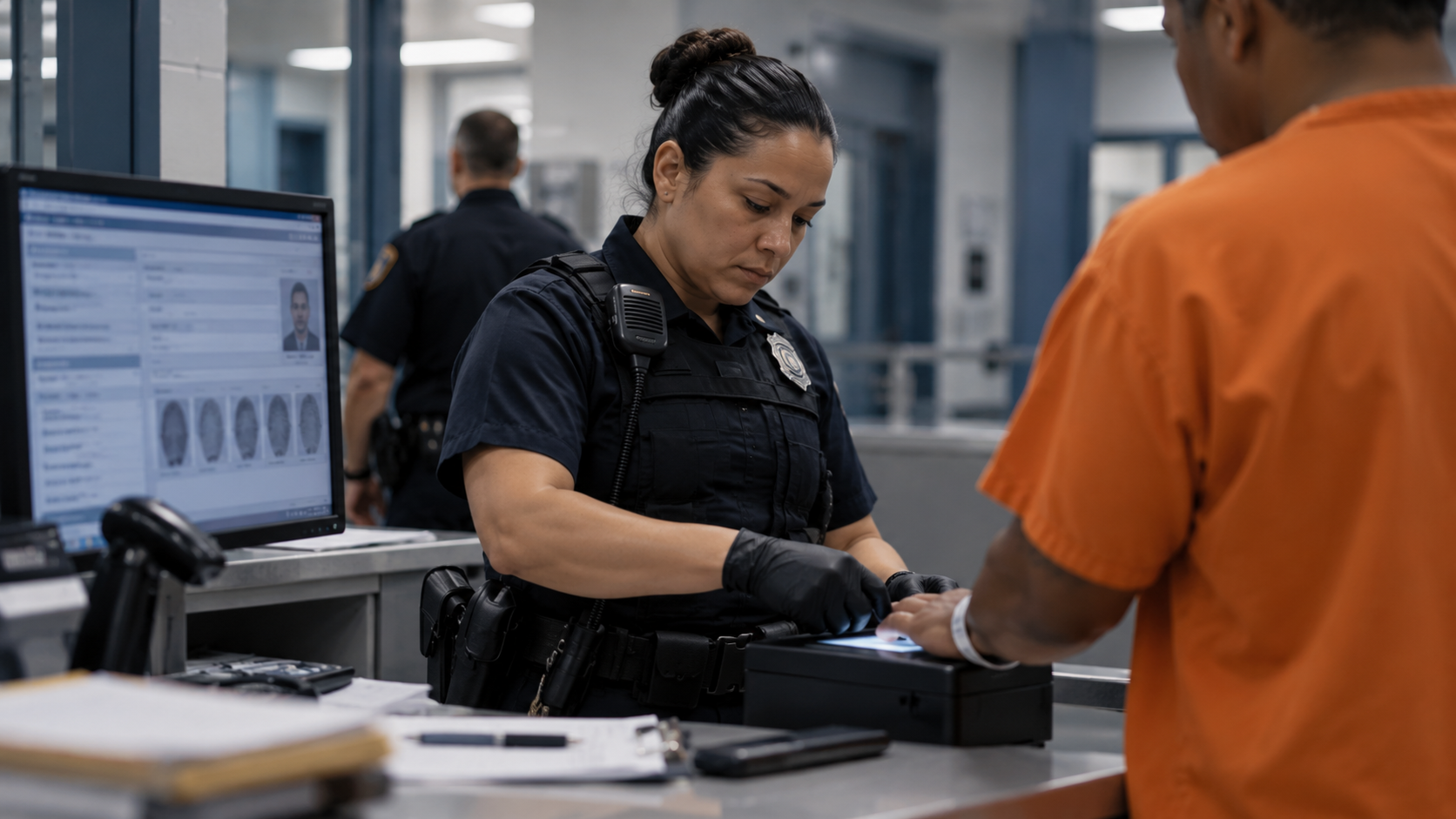
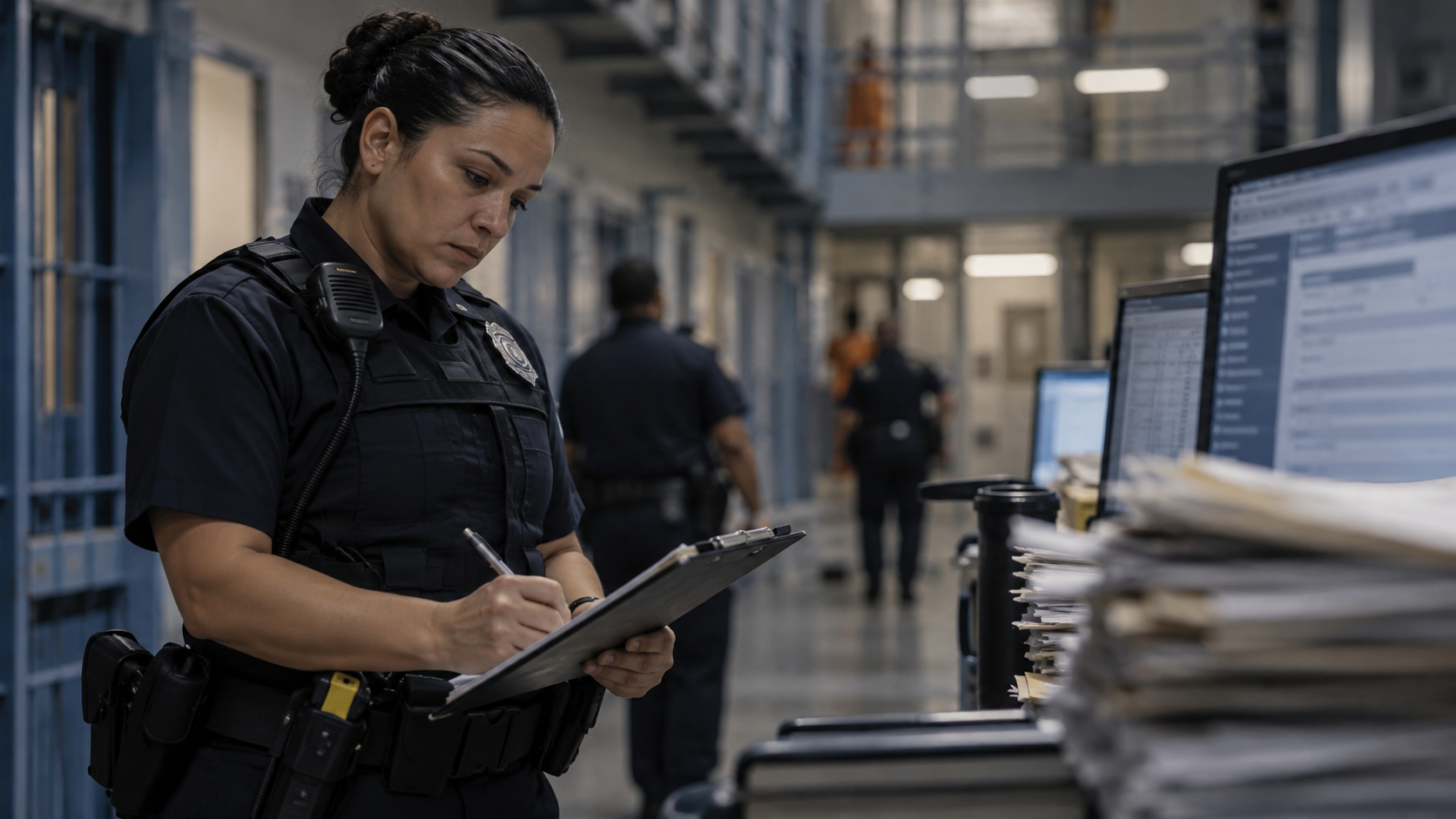
The incident report exists. The fixed camera footage exists. The use-of-force log exists. The individual’s medical and behavioral history exists. But each piece lives in a different system, assembled by a different person, formatted differently, and timestamped by a different clock. When the incident report says 2:47, the camera footage starts at 2:51, and the medical log says 2:44, the plaintiff’s attorney does not need to prove anything. They just need to point. Every gap between systems is an opening for doubt, causing the burden to fall upon your staff under oath, rather than a coherent record.
A unified record does not just look more professional. It changes the legal position of your facility from the moment an incident is reported.
The Benefits of Unified Records
Josh Tewalt, former Director of the Idaho Department of Corrections, ran a system with 25,000 people under supervision. When a serious incident occurred, the post-incident documentation process was its own operational crisis.
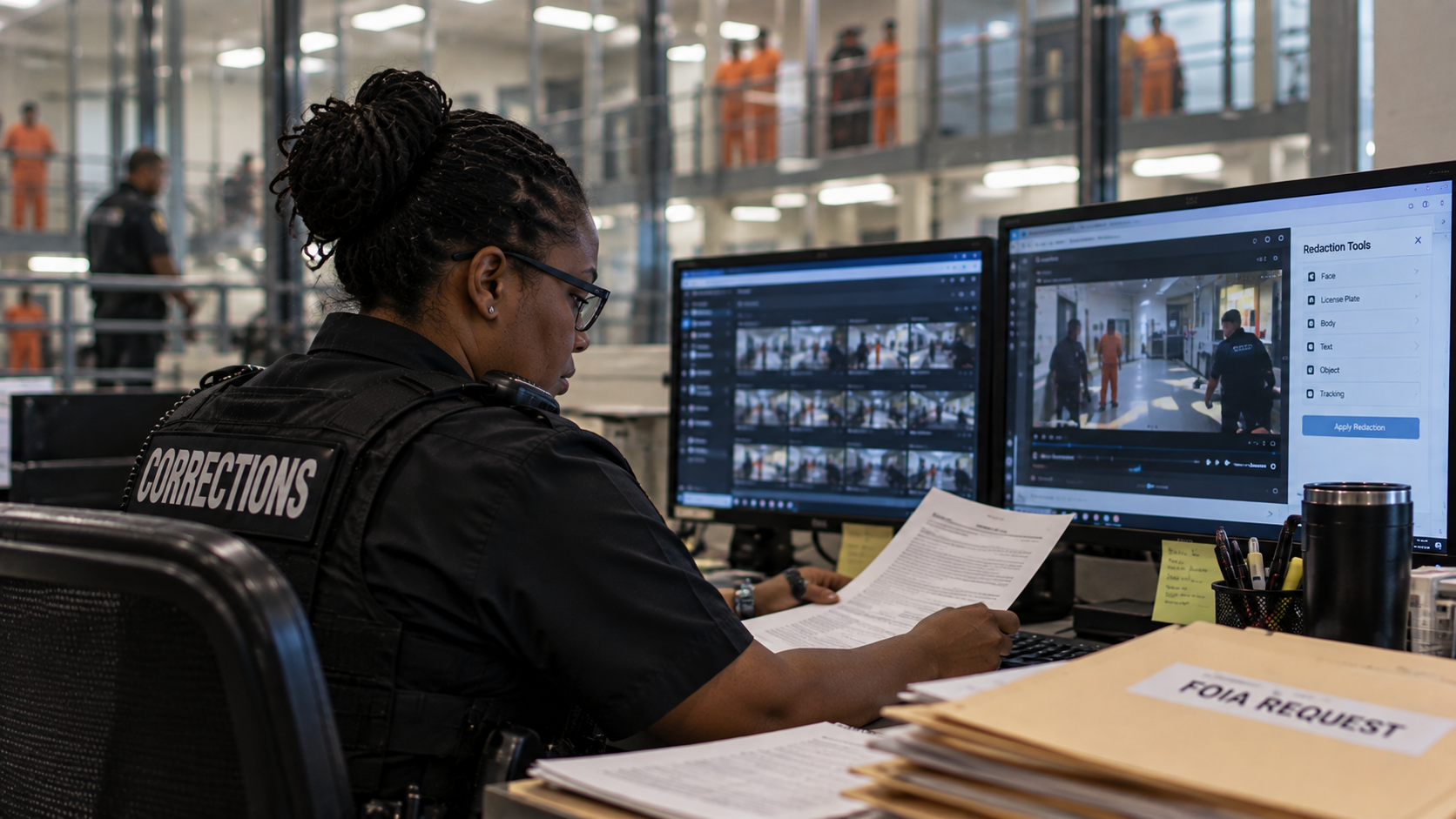
“You have people with limited bandwidth trying to gather information across multiple systems where it may or may not live. Pulling video from fixed cameras in a different system and somehow attaching that to paper incident reports, then attaching that to other evidence, then attaching that to profiles on the people involved that live in an entirely different system. The effort to put together a paper trail for review far outlives any time spent in the incident itself.”
Josh Tewalt, Former Director, Idaho Department of Corrections
That is not an unusual facility. That is a standard one. And when the record gets assembled that way, it produces three specific vulnerabilities that become legal exposure.
Time. Every staff hour spent assembling the post-incident record is an hour taken from supervision. In a facility running below full staffing, that time does not come from a reserve. It comes directly from coverage.
Accuracy. A record assembled from multiple systems after the fact is a reconstruction, not a record. Timestamps from different systems may not align. Details written from memory may differ from what the camera captured. In litigation, that inconsistency does not need to represent wrongdoing to damage your position. It only needs to raise doubt.
Completeness. When a critical piece of the record lives in a system the assembling officer did not think to check, it is missing. In litigation, missing information is not neutral. It is evidence of one of two things: the facility did not know what was happening, or it did not document it. Neither is a position you want to defend in a deposition.
A Unified Record Starts with Connected Data
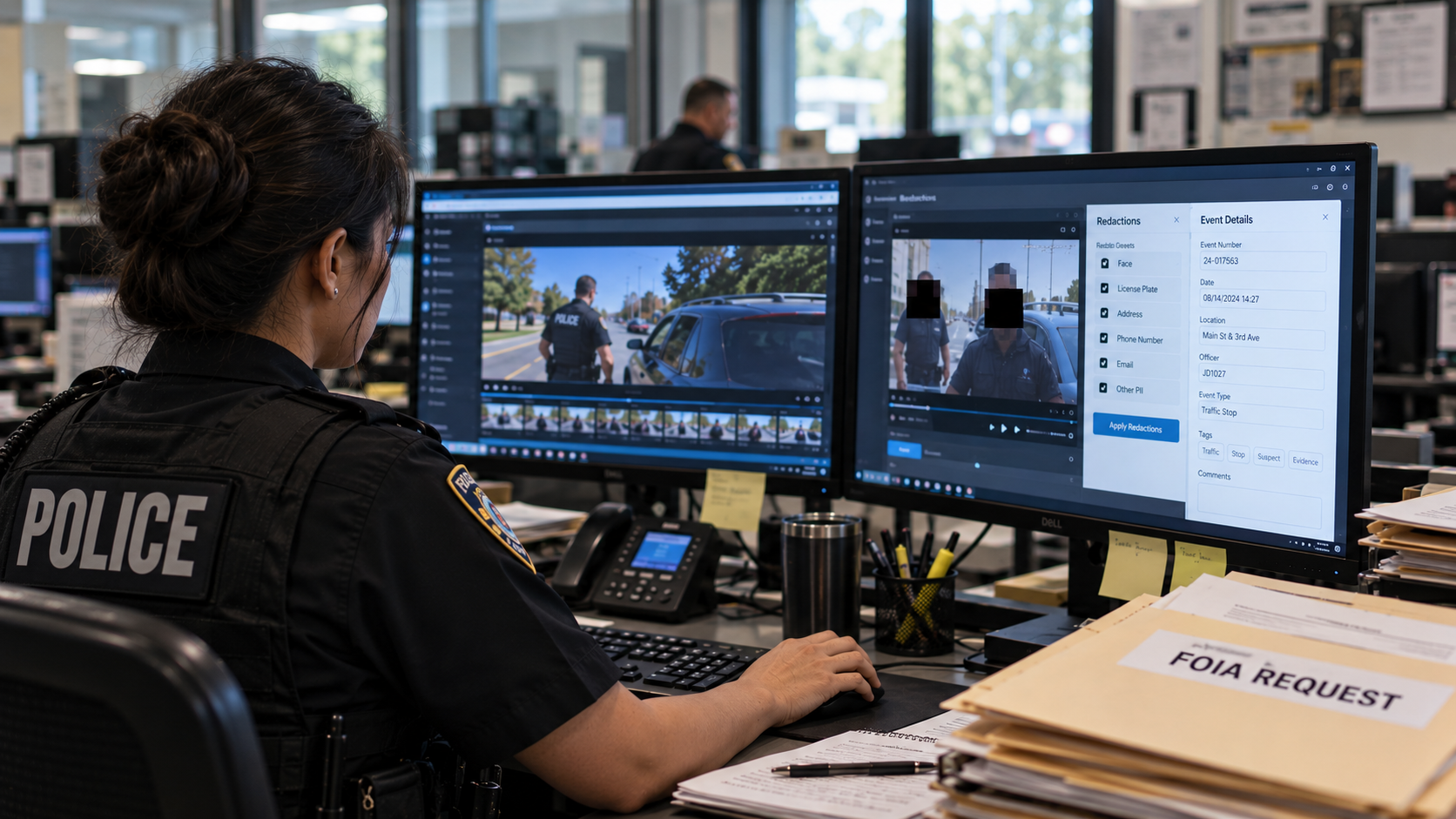
A unified incident record is not a compiled PDF. It's synchronized data capturing every relevant piece of information from the moment the incident began, linked by a consistent timestamp and metadata, with a complete audit trail of who accessed it and when.
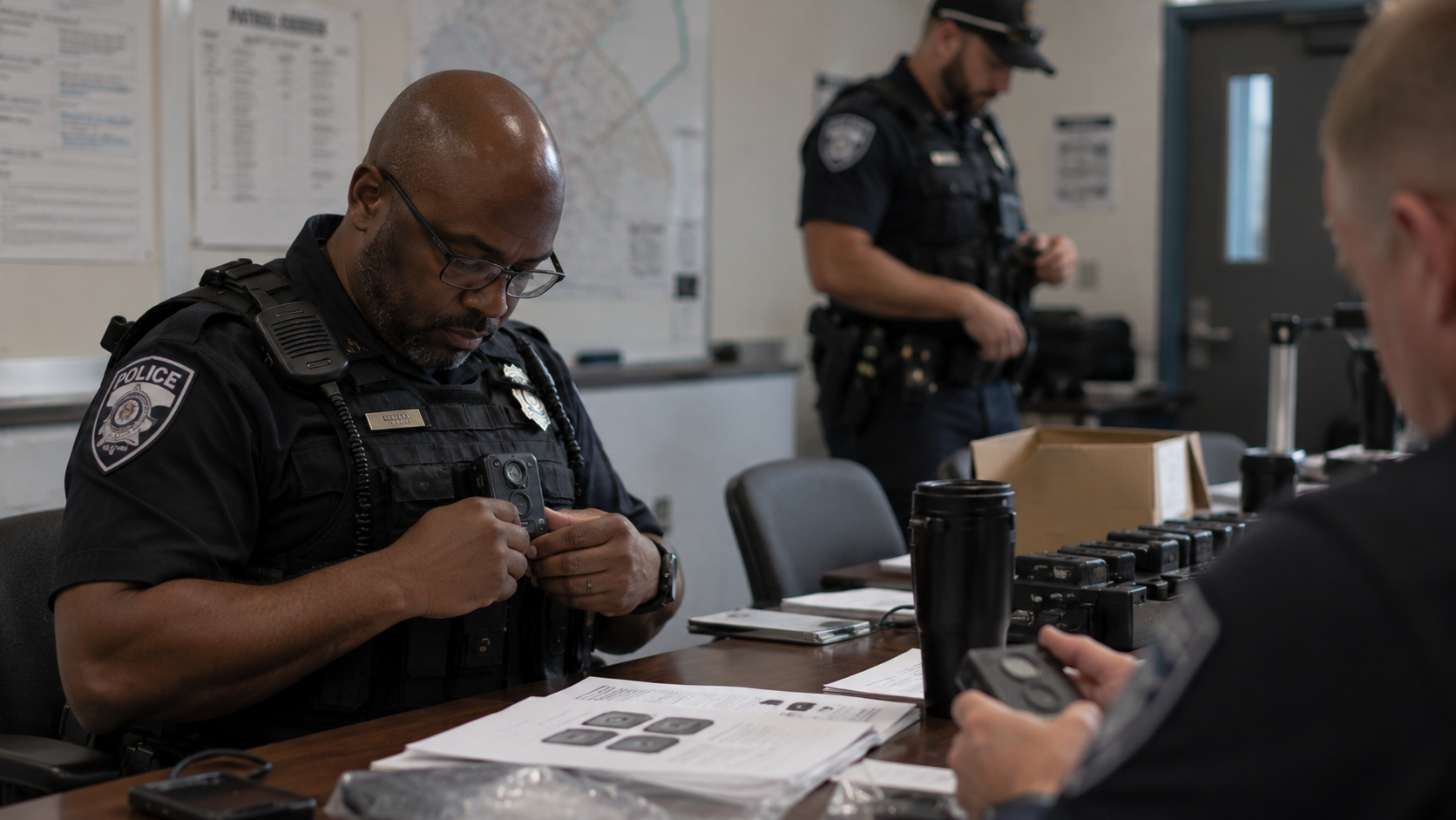
It contains body camera footage from every officer involved, automatically linked to the incident by time and location. Fixed camera footage from every relevant angle in the facility, already connected to the same record. The individual’s profile, behavioral history, housing classification, and prior incidents - all available because the systems communicate. The incident report cross-referenced against the footage so discrepancies surface before the record leaves your facility rather than in a deposition six months later.
John Boyd describes what this produces when it gets to a legal proceeding.
“A unified record is relatively seamless and can be presented more logically and a lot more easily. It’s also a lot more easily interpreted. There are fewer cracks and fewer details that are lost. It is systematic and therefore a lot more professional. A professional investigation is notable to prosecutors, to judges, to juries, to attorneys, and to the public.”
Sheriff (Ret.) John Boyd, Coreforce Law Enforcement Relations Manager
That professionalism is not cosmetic. A record that tells a complete, chronological story resolves faster, deters more frivolous claims, and positions your facility more favorably when claims proceed to litigation.
Officer Impact
Officer turnover is one of the most significant impacts not visible in costs related to litigation time with fragmented systems. Litigation can take months while incident records are produced and provided to counsel and oversight stakeholders. This is not just difficult on the staff coordinating the information, but also on the officer(s) impacted, who may be on suspension.
Officers witness a colleague suspended for six weeks while the facility sorts through records from three separate systems. This elongated process places doubt as to whether or not the agency can prove what really happened - opening up indirect turnover that is invisible in a vacancy report.
“Having quick access to centralized data not only cuts down on liability but it increases morale as well. Correctional officers face frivolous complaints every day and many of them are really salacious. The facility has no choice but to suspend those officers pending an investigation. It’s a morale killer. But many times they haven’t done anything wrong. The record clears them.”
Sheriff (Ret.) John Boyd, Coreforce Law Enforcement Relations Manager
When the record is unified and immediately accessible, what took six weeks takes one. The officer is reinstated. The rest of the staff watches the facility stand behind its people. This is not a benefits package. This is a retention proof point.
The Question Worth Asking Today
If a serious incident occurred in your facility tonight, how long would it take your team to produce a complete, unified record of everything that happened from the first moment of the event through the conclusion of the response?
If the answer involves calling multiple staff members, logging into systems that do not communicate, and assembling pieces that were never designed to connect, that is the answer a plaintiff’s attorney is already counting on.
Sources
[1] Corrections1— The New Playbook for Corrections: Scalable Technology That Reduces Liability https://www.corrections1.com/technology/the-new-playbook-for-corrections-scalable-technology-that-reduces-liability
[2] Coreforce, “Building a Defensible Foundation: Intake, Documentation & Data Integrity” Webinar Transcript, 2026 https://www.coreforcetech.com/resources/building-a-defensible-foundation-intake-documentation-data-integrity
[3] Coreforce, “Intelligence Inside the Facility: Increasing Safety Without Increasing Staffing” Webinar Transcript, 2026 https://www.coreforcetech.com/resources/intelligence-inside-the-facility-increasing-safety-without-increasing-staffing
How Fast Could Your Team Produce a Complete Record?
Let's look at how your incident records come together today and what a unified record would change. Connect with a Coreforce rep who works with corrections teams like yours.
The documentation exists, but it lives in different systems and can't tell one coherent story. See what a unified record changes for facilities and officers.